How to Set a Weekly Grocery Budget
Last updated: 3 May 2026
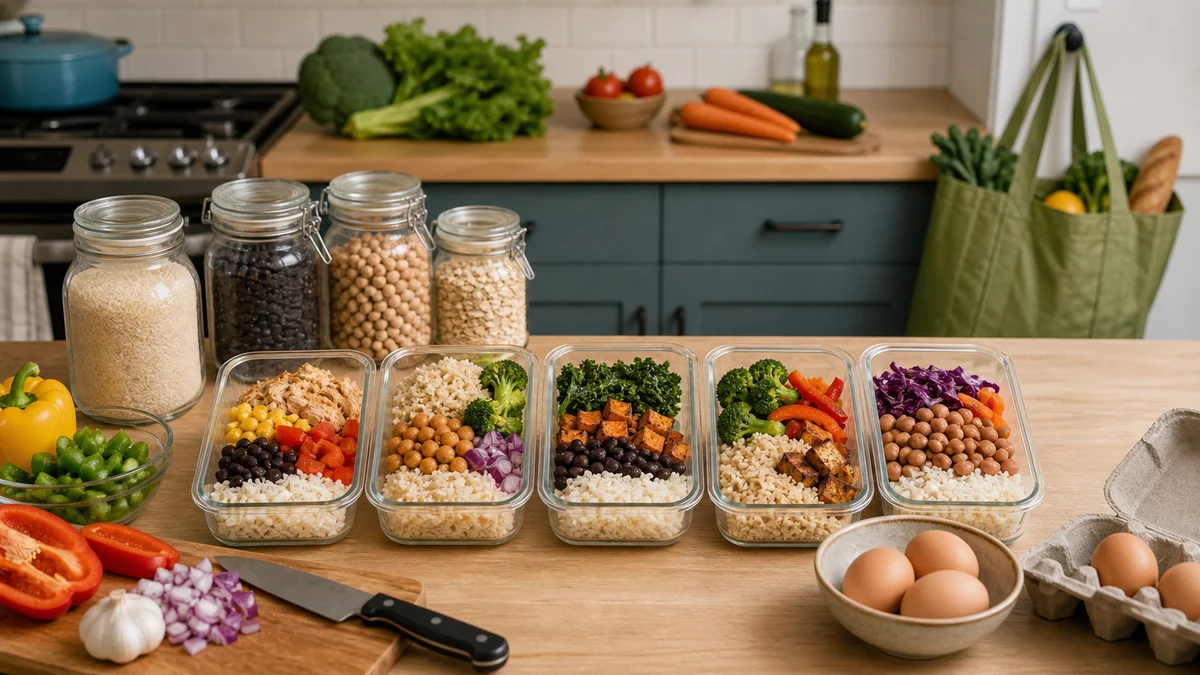
A weekly grocery budget is not a random number. It is the amount you can spend on food and household basics without breaking the rest of the month.
Start with the grocery savings calculator if you already know what you spend. Then put the weekly target into the budget calculator so food fits beside rent, transport, bills, debt, and savings.
This guide works in any currency. Use your local prices, local staples, household needs, and normal shopping options. The goal is a usable food budget, not a perfect spreadsheet.
What counts as groceries?
Decide what your grocery budget includes before you set the number. Otherwise the category becomes messy.
- Food for meals and snacks at home
- Basic drinks, tea, coffee, or milk if you buy them regularly
- Cooking basics such as oil, salt, spices, flour, and sauces
- Toilet paper, laundry, soap, cleaning supplies, and other household basics if you buy them at the supermarket
- Baby food, allergy-safe foods, medical diet foods, pet food, or packed-lunch items if they are part of your real household needs
Eating out, delivery, work lunches, and cafe spending should usually be tracked separately. They can be reduced in different ways.
Step 1: Find your current weekly spend
Look at the last four weeks of bank statements, receipts, or app history. Add supermarket, market, corner shop, and grocery delivery spending.
If the last month was unusual, use a normal month or track the next two weeks carefully. Do not build a budget from a holiday week, moving week, illness week, or a large pantry stock-up unless that is normal for you.
Divide the monthly amount by 4.33 to estimate an average week. That gives you a starting point.
Step 2: Separate food from waste and impulse spending
A grocery bill usually has three parts:
- Useful food: meals and staples you actually eat.
- Waste: food that spoils, gets forgotten, or is thrown away.
- Impulse spending: snacks, drinks, extras, and convenience items you did not plan to buy.
Cut waste and impulse spending before cutting useful food. A smaller food budget is not helpful if it leaves you hungry and pushes you toward takeaway later.
Step 3: Build a basic weekly target
A practical first target is usually a little lower than your current spending, not dramatically lower. Try this:
- Current average weekly grocery spend
- Minus obvious food waste you can prevent
- Minus one or two impulse items you can remove
- Plus a small cushion for price changes or forgotten basics
Example: if you normally spend 95 per week, waste about 10, and buy about 8 of unplanned extras, you might test a 80 to 85 weekly budget first. Use your own currency and local prices.
Step 4: Plan meals around cheap anchors
Cheap grocery budgets work better when meals have anchors: filling ingredients that show up in several meals.
- Rice, pasta, noodles, potatoes, oats, bread, tortillas, or local staple grains
- Eggs, beans, lentils, tofu, canned fish, chicken, mince, yoghurt, or other affordable protein
- Frozen vegetables, cabbage, carrots, onions, tomatoes, greens, or seasonal produce
- Oil, spices, stock, sauce, garlic, chilli, herbs, or other low-cost flavour builders
You do not need to eat the same meal every day. You do need enough repeat ingredients that the shop stays simple.
Step 5: Make the list from what you already own
Before shopping, check the fridge, freezer, cupboards, and pantry. Write down meals that use what is already there.
- Use open packets first.
- Plan around food close to spoiling.
- Freeze bread, cooked rice, leftovers, meat, vegetables, or fruit before they go bad.
- Keep one simple backup meal for tired days.
The cheapest groceries are often the ones you already paid for.
Step 6: Decide how you will handle top-up shops
Some people save money with one weekly shop. Others need one main shop plus one small top-up for bread, milk, fruit, or fresh food.
What hurts the budget is unplanned extra trips. Each trip creates another chance to buy snacks, drinks, convenience food, or items you already have.
If top-up shops are necessary, give them a small limit and write a tiny list before you go.
Step 7: Track the first two weeks
Test the number before treating it as final. For two weeks, write down:
- What you planned to spend
- What you actually spent
- What ran out too early
- What got wasted
- Which meals were too small, too expensive, or too much work
If the number is too low for your household, raise it and look for savings elsewhere. Food should not be cut below what keeps people fed and healthy.
A simple weekly grocery budget template
Split the weekly amount into rough buckets:
- Staples: rice, pasta, oats, flour, bread, potatoes, or local basics
- Protein: eggs, beans, lentils, tofu, dairy, fish, meat, or other affordable options
- Vegetables and fruit: frozen, seasonal, canned, or fresh
- Flavour and cooking basics: oil, spices, sauces, stock, tea, coffee
- Household basics: cleaning, toilet paper, laundry, hygiene items if included
- Small cushion: price changes, forgotten basics, or one useful treat
These buckets do not need exact percentages. They stop one category, such as snacks or meat, from swallowing the whole budget.
When the grocery budget is still too high
If the grocery number still breaks the monthly budget, work through this order:
- Use food already in the house.
- Reduce waste and extra trips.
- Switch a few expensive defaults to cheaper staples.
- Plan cheaper breakfasts and lunches before cutting dinner portions.
- Review eating out separately.
- Check local food support if you cannot afford enough food.
- Use the save money hub to look for non-food savings so meals do not become unsafe.
Next step
Put your current spending into the grocery savings calculator, choose a weekly target, then test it in the budget calculator. If the food target is too tight, use the save money hub for other categories to review.
Related reading
How to save money on groceries (real methods)
A practical grocery spending system: plan before shopping, compare unit prices, reduce waste, and adjust around local prices.
How to Eat on $30 a Week (Real Budget Meal Plan)
A practical one-week food plan with a shopping list, simple meals, and local-price caveats for very tight grocery budgets.