How to Eat on $30 a Week (Real Budget Meal Plan)
Last updated: 15 March 2026
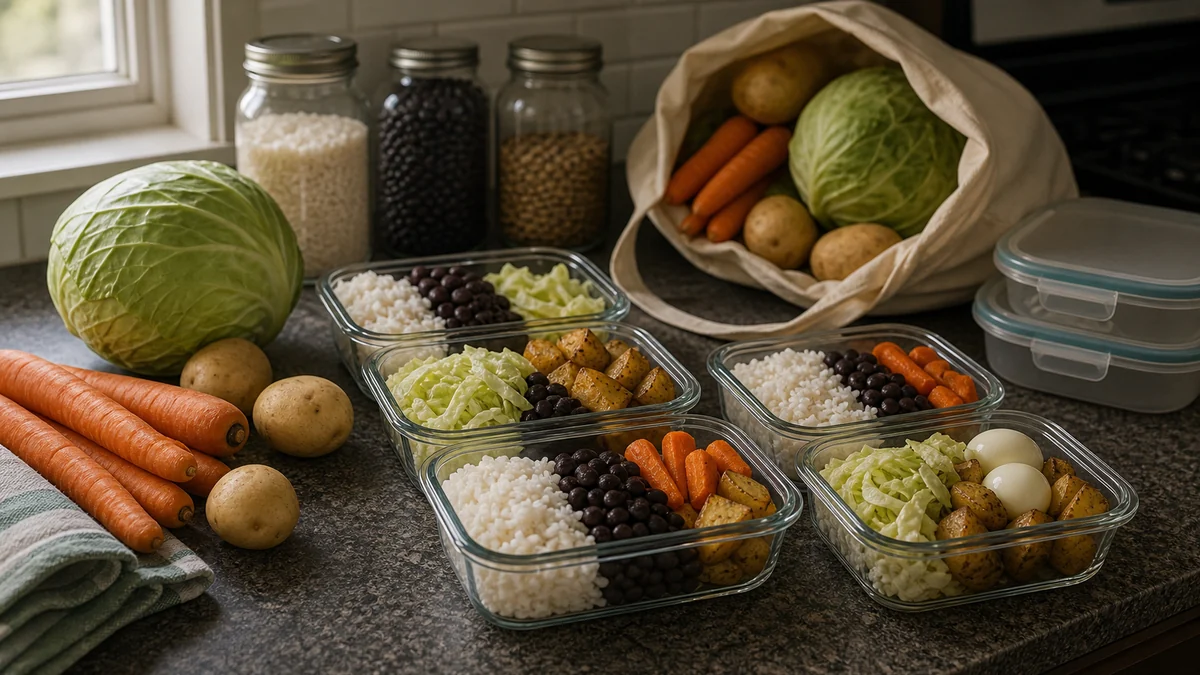
Eating on $30 a week sounds impossible in many places.
It will not fit every city, diet, or household, but a strict one-week food plan can still help when money is very tight.
This isn't about extreme couponing, dumpster diving, or eating ramen every day. It's about smart shopping and simple meals that actually fill you up.
This article is the one-week meal plan. For broader shopping habits, use the grocery savings system, or check grocery savings before you shop.
The $30 shopping list
This is what you buy for the entire week. Prices are examples based on budget supermarkets like Aldi, Lidl, or Walmart. Your local prices, taxes, package sizes, and exchange rates may be different, so adjust the list around the cheapest staples near you.
Staples:
- Rice (2kg bag) - $3.50
- Dried pasta (1kg) - $1.80
- Oats (1kg) - $2.20
- Flour (1kg) - $1.50
Protein:
- Eggs (12 pack) - $4.50
- Canned beans (4 tins) - $3.20
- Peanut butter (500g jar) - $2.60
Vegetables:
- Frozen mixed vegetables (1kg) - $2.80
- Potatoes (2kg bag) - $2.50
- Onions (1kg) - $1.50
- Canned tomatoes (2 tins) - $1.80
Essentials:
- Cooking oil (500ml) - $2.20
- Bread (2 loaves, freeze one) - $2.40
Total: $32.50
If you're over budget, drop the flour or buy one less tin of beans. If you're under, add a bag of carrots or a tin of tuna.
The meal plan
Breakfast (pick one each day):
- Porridge made with oats and water (add a spoonful of peanut butter)
- Scrambled eggs on toast
- Peanut butter on toast
Lunch (pick one each day):
- Bean and vegetable soup (canned beans, frozen veg, onions, canned tomatoes)
- Egg fried rice with frozen vegetables
- Pasta with tomato sauce and beans
- Baked potato with beans
Dinner (pick one each day):
- Rice and beans with sauteed onions and frozen veg
- Pasta with tomato sauce and mixed vegetables
- Vegetable stir-fry with rice
- Potato and bean curry (potatoes, beans, onions, curry powder if you have it)
- Egg and vegetable fried rice
Rotate these meals throughout the week. You'll eat similar things most days, but that's the reality of eating on $30.
Shopping strategy
Where to shop:
Aldi and Lidl are genuinely cheaper than mainstream supermarkets. If you don't have those, Walmart or your local discount grocery store.
Avoid convenience stores - they charge 30-50% more for the same items.
When to shop:
Go near closing time (30-60 minutes before they close). Many stores mark down bread, vegetables, and other perishables by 50-75%.
Check the reduced section first. If you find marked-down bread, buy it and freeze it immediately.
What to buy:
- Always buy store-brand items, never premium brands
- Compare price per kilogram, not just the sticker price
- Bigger packs are usually better value (2kg rice vs 1kg rice)
- Frozen vegetables are cheaper than fresh and last longer
- Canned beans are cheaper than dried beans when you factor in cooking time and energy costs
What NOT to buy:
- Pre-cut vegetables (you're paying for convenience)
- Branded items (store brands are identical)
- Snacks, crisps, biscuits (they blow your budget fast)
- Drinks other than water (tea bags are cheap if you need something hot)
- Ready meals (always more expensive than cooking from scratch)
Making it taste better
Basic food doesn't have to taste boring.
If you can spare $2-3 extra:
Buy salt, pepper, and one spice blend (curry powder or mixed herbs). These transform plain rice and beans into something you'll actually want to eat.
Free flavour tricks:
- Always cook onions first in oil - they add sweetness and depth to everything
- Save vegetable scraps (onion ends, potato peels) in the freezer and boil them to make free stock
- Brown your rice or pasta slightly before adding water - it adds a nutty flavour
- Add a splash of the bean tin liquid to soups and stews - it's full of flavour
Is this healthy?
You're getting:
- Protein from eggs, beans, and peanut butter
- Carbohydrates from rice, pasta, oats, and potatoes
- Vegetables from frozen mixed veg, onions, and canned tomatoes
- Fats from cooking oil, eggs, and peanut butter
It's not perfect nutrition, but it's balanced enough to keep you going.
Frozen vegetables are just as nutritious as fresh ones - sometimes more, because they're frozen at peak ripeness.
If you can afford it, add a cheap multivitamin. But this meal plan covers most nutritional bases.
Dealing with repetition
Let's be honest: eating on $30 a week means eating similar meals most days.
You'll get bored. That's normal.
How to cope:
- Rotate your meals - don't eat the exact same thing two days in a row
- Change the format - rice and beans one day, bean soup the next
- Focus on the fact that you're eating, you're full, and you're saving money
- Remember this is temporary - it's not meant to be a lifestyle
This meal plan is for getting through tough weeks or months when money is extremely tight.
When your situation improves, you can add variety back in.
Common mistakes to avoid
Shopping when hungry:
You'll buy stuff you don't need. Eat before you shop, even if it's just a slice of toast.
Not making a list:
Write down exactly what you need and stick to it. No impulse purchases.
Throwing away leftovers:
Every scrap counts. Leftover rice becomes fried rice. Leftover vegetables go into soup.
Buying fresh when frozen is cheaper:
Fresh vegetables go bad quickly. Frozen vegetables last months and cost less.
Final thoughts
Eating on $30 a week is possible, but it requires discipline.
You need to:
- Shop at discount stores
- Buy only what's on your list
- Cook everything from scratch
- Accept that meals will be repetitive
- Use every scrap of food
It's not glamorous. It's not exciting. But it works.
This meal plan can help you stay fed and full while you work through a tight week.
It's a short-term solution to get through tough times.
Next step
Before your next shop, check grocery savings and estimate your monthly budget so the food plan fits the rest of your bills.
Related reading
How to Set a Weekly Grocery Budget
Set a realistic weekly grocery budget using your real income, household size, local prices, pantry habits, and food needs.
How to save money on groceries (real methods)
A practical grocery spending system: plan before shopping, compare unit prices, reduce waste, and adjust around local prices.