How to Build an Emergency Fund on a Low Income
Last updated: 9 May 2026
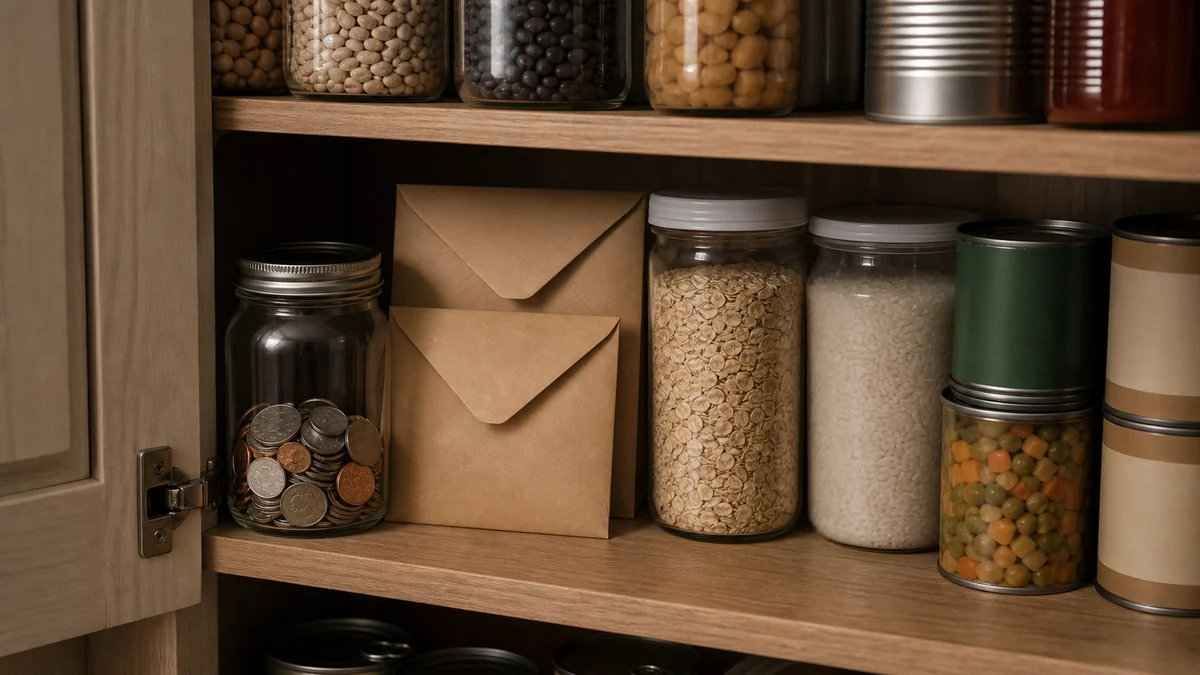
Building an emergency fund on a low income is slower, but it can still be planned in stages. The first goal is not a perfect savings number. The first goal is a small buffer that protects food, rent, transport, medicine, or another essential when timing goes wrong.
Start with the emergency fund calculator to estimate essential monthly costs. Then use the budget calculator to see whether a small monthly amount fits. If food is the easiest place to review safely, use the grocery savings calculator. If debt payments are heavy, compare the tradeoff in the debt payoff calculator.
Local benefits rules, bank account access, account fees, debt rules, and emergency support options vary. Check local details before moving benefit money, changing debt payments, closing accounts, or using savings that might affect support.
Start with a very small first target
A low income emergency fund often starts with a small, realistic number. Examples:
- Enough for urgent transport to work or an appointment
- Enough for medicine, phone credit, or a utility timing problem
- Enough for several basic meals if income arrives late
- Enough to avoid using rent or debt-payment money for a small disruption
Use your own currency and local prices. A starter target should be useful, not impressive.
Find the first small amounts without harming essentials
Look for small repeatable changes before painful cuts:
- Move a tiny amount on payday before flexible spending starts.
- Round down one flexible category and move the difference to savings.
- Put a cancelled subscription amount into the buffer for at least one month.
- Use part of a refund, cash gift, overtime payment, or sale of a non-essential item.
- Move grocery savings into the buffer instead of letting them disappear.
- Keep unexpected small amounts separate from normal spending.
If there is no spare money after essentials, the answer may be local support, income changes, debt help, or lower fixed costs rather than more willpower.
Use food savings carefully
Food is often visible in the budget, but cutting it too hard can backfire. Start with waste and planning before reducing useful meals.
- Use pantry, fridge, and freezer food before shopping.
- Plan two or three simple meals around cheap staples.
- Reduce top-up shops that lead to impulse spending.
- Compare unit prices where practical.
- Keep enough food for health, work, school, and family needs.
If you cannot afford enough food, check local food support. Do not build emergency savings by going without essential meals.
Balance emergency savings with debt
Debt payoff matters, but no emergency buffer can push you back into borrowing when something small goes wrong. A practical order is:
- Cover food, housing, utilities, transport, health, and minimum payments.
- Build a tiny starter buffer.
- Keep debt minimums current where possible.
- Use extra money toward high-pressure debt or a larger buffer based on your situation.
- Get qualified local help if payments are already unmanageable.
The best split depends on interest rates, fees, collection pressure, benefits rules, income stability, and whether one small emergency would force more borrowing.
Worked example: building slowly
Imagine someone has 1,300 in essential monthly costs, 40 saved, and can usually set aside 15 per month. A full one-month target is far away, but the first practical goal could be 100. If they add 15 monthly and a one-time 20 from a refund, they can see a path to the first small buffer without pretending the full fund appears quickly.
This example is only to show the method. Use your own currency, prices, income timing, and household needs.
Keep the buffer separate and visible
Emergency savings should be easy enough to reach in a real disruption, but separate enough that it does not get spent by accident. Depending on local access, that might mean a separate savings account, labelled bank pot, mobile wallet space, or a small safe cash amount for situations where digital payment is not practical.
Watch account fees, withdrawal limits, benefit rules, household safety, and any delay that could make the money unavailable when needed.
Low income emergency fund checklist
- List essential monthly costs.
- Choose a first target that would solve one real disruption.
- Set a tiny repeat amount if one is possible.
- Move any one-time extra money before it blends into spending.
- Keep the buffer separate from daily spending.
- Use it only for urgent essential needs.
- Rebuild it after using it, even slowly.
Next step
Estimate your essential-cost target with the emergency fund calculator. Then test a small monthly savings amount in the budget calculator. If food spending is a pressure point, check the grocery savings calculator. If debt is competing with savings, review the debt payoff calculator.
Related reading
Emergency Fund Starter Guide: First $100, $500, and $1,000
Build a small emergency buffer in stages with practical steps for the first $100, $500, and $1,000.
Emergency Budget: What to Cut First When Money Is Tight
A practical emergency budget checklist for protecting essentials, cutting safer categories first, and avoiding choices that create bigger pressure.