How to Save $100 Fast When You're Broke
Last updated: 28 March 2026
When you need $100 urgently and you're already broke, it feels impossible.
It may still be possible, but the route depends on what you own, what help exists locally, and how quickly platforms or buyers respond.
This guide covers realistic, immediate actions you can take today to try to free up or earn around $100 - no payday loans, no credit-card promises, no scams.
These aren't long-term wealth-building strategies. They're emergency measures for when you're in a bind. If the shortfall is part of a bigger monthly gap, estimate your monthly budget first so you know the real size of the problem.
24-hour triage checklist
Start with the option that has the shortest delay and the lowest downside in your situation.
- Check whether the money is needed today, this week, or before a specific bill date.
- List items you can sell without losing work, transport, cooking, safety, or communication basics.
- Call the bill provider before the due date if the shortfall is for a payment.
- Use local support, food help, or hardship options before expensive borrowing.
- Track what is one-time cash versus a repeat monthly budget gap.
Sell items you already own
What to sell:
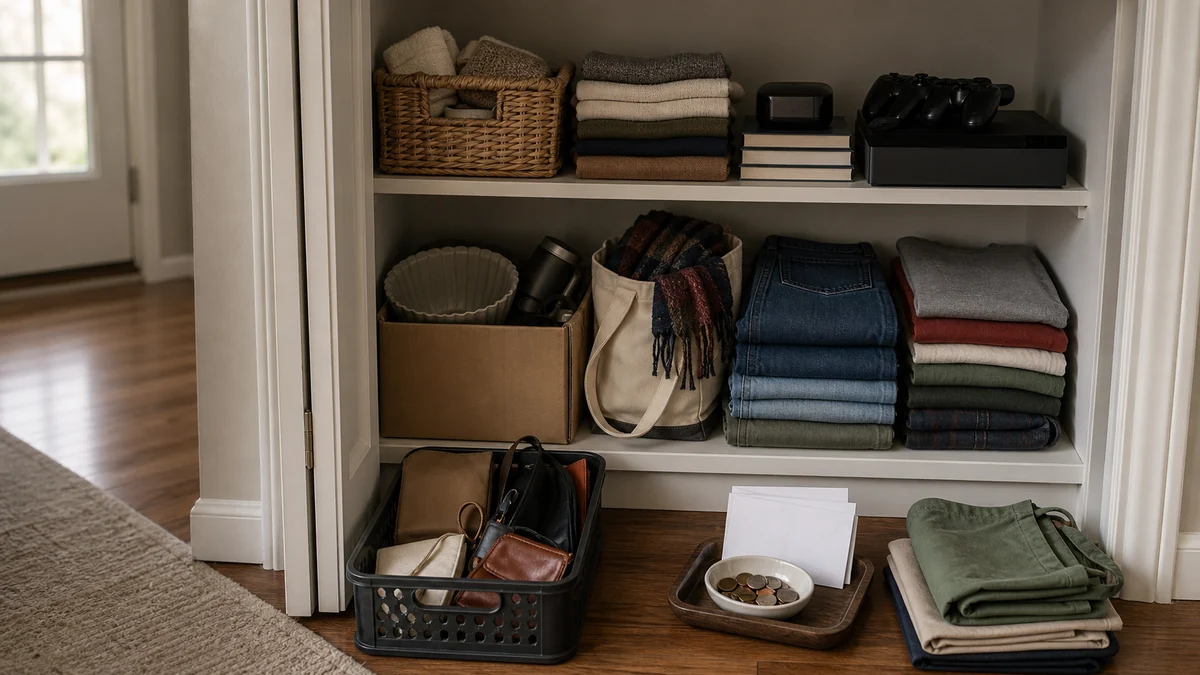
Look around your home right now. What haven't you used in months?
- Old phones or tablets
- Gaming consoles or games
- Clothes with tags still on
- Books, DVDs, CDs
- Kitchen gadgets gathering dust
- Tools you never use
- Designer items or accessories
Where to sell:
- Facebook Marketplace (fastest for local sales)
- eBay (good for electronics and collectibles)
- Vinted or Depop (clothes)
- CeX (electronics, games, phones)
- Local buy/sell groups
Pricing strategy:
You need $100 fast, not maximum profit.
Price items to sell within 24-48 hours:
- Check what similar items actually sold for (not listed prices)
- Price 10-20% below market rate
- Take clear, well-lit photos
- Be honest about condition
- Offer local pickup to avoid shipping delays
Realistic examples:
- Old iPhone: $60-120
- Gaming console: $80-150
- Stack of video games: $30-50
- Designer handbag: $40-100
- Unused laptop: $60-100
Selling 2-3 useful items may get you close, but timing depends on buyers, local demand, condition, price, and payment method.
Quick paid work
Food delivery apps:
Sign up for Deliveroo, Uber Eats, or Just Eat.
Some platforms approve new workers within days, but onboarding, background checks, insurance, vehicle rules, and payout timing vary by country and city.
Work evenings and weekends when demand is highest.
Check local demand, platform fees, fuel, bike repairs, and taxes before assuming the hourly rate is worth it. You can calculate side hustle profit with those costs included.
Local services:
Post on local Facebook groups or Nextdoor offering:
- Garden clearance ($40-60 for a few hours)
- House cleaning ($15-20 per hour)
- Moving help ($20-30 per hour)
- Dog walking ($10-15 per walk)
- Babysitting ($10-15 per hour)
People sometimes need help with short tasks and may pay quickly if you are clear about price, timing, and what is included.
A strong afternoon of local work can help, but $100 is not certain. It depends on demand, your skills, transport, and whether the buyer pays promptly.
TaskRabbit or Airtasker:
Sign up and browse available tasks in your area.
Common jobs: furniture assembly, delivery pickup, cleaning, handyman work.
Cancel subscriptions and get refunds
Check your bank statements:
Look for subscriptions you forgot about or don't use:
- Netflix, Disney+, Amazon Prime
- Spotify, Apple Music
- Gym memberships
- Magazine subscriptions
- Cloud storage
- Gaming subscriptions
Cancel them immediately.
Some companies will refund the current month if you cancel early enough.
Downgrade services:
Contact your phone or broadband provider.
Ask to downgrade your plan or threaten to leave.
They'd rather keep you on a cheaper package than lose you completely.
This may reduce this month's pressure, but provider rules, contract terms, and refund timing vary.
Return recent purchases
Check your recent purchases:
Bought something in the last few weeks you haven't used?
Return it.
Refund windows vary by store, product type, condition, payment method, and local consumer rules.
That impulse buy from last week could put cash back in your pocket today.
Online purchases:
Check your email for recent order confirmations.
Online retailers often have return windows, but the details depend on the seller, item category, delivery date, and whether the item has been used.
Even if you've opened it, you can often still return it.
Ask for payment flexibility
If you need $100 to pay a bill:
Call the company first before missing a payment.
Many utility providers, phone companies, and landlords will:
- Let you pay late without penalty
- Set up a payment plan
- Reduce your bill temporarily
It's better to ask than miss a payment and damage your credit.
What to say:
"I'm experiencing temporary financial difficulty. Can we arrange a payment plan or extension?"
Some companies have hardship teams, extensions, or payment plans. Ask what is available and write down the agreed date, amount, and reference number.
Extra quick options
Donate plasma:
Plasma donation rules and payments vary by country, clinic, health history, weight, medication, and appointment availability.
Only consider this if it is legal where you live and a licensed provider says you are eligible. Follow medical guidance and do not donate if you feel unwell.
If you qualify, payment may help, but it should not be treated as certain emergency income.
Participate in research studies:
Medical research studies sometimes compensate participants, but eligibility, safety screening, payment timing, and local rules vary.
Check local university research departments or clinical trial websites.
Pawn items temporarily:
If you have valuable items you need back later (jewelry, electronics), pawn shops may offer a loan against them.
Redemption periods, fees, and interest vary. Read the terms carefully so you do not lose an item you cannot replace.
Not ideal, but better than a payday loan.
Cut this week's spending to bare minimum
For the next 7 days:
Buy absolutely nothing except essentials.
- Walk instead of using transport
- Eat only what's in your cupboards
- Skip coffee shops
- Pack lunch
- Cancel social plans that cost money
Every pound you don't spend this week adds up.
Grocery strategy:
If you usually spend $50 on groceries, cut it to $20 by:
- Eating simple meals (rice, pasta, beans)
- Using up what you already have
- Buying only absolute necessities
- Shopping at discount stores (Aldi, Lidl)
This is not sustainable long term, but a short essentials-only week may reduce the immediate shortfall if it does not cut food, medicine, transport, or safety needs too far.
What NOT to do
Don't take payday loans:
High fees and interest can make the next month harder than this month.
You'll end up owing far more than $100.
Don't max out credit cards:
Unless it's genuinely an emergency (keeping the lights on, buying food), avoid using credit.
You're just delaying the problem and adding interest.
Don't sell essential items:
Don't sell things you'll need to replace later:
- Your only coat or shoes
- Work equipment
- Your phone (you need it for job hunting)
- Cooking equipment
Selling your only coat might give you $50 now, but you'll spend $80 buying another one next month.
Don't fall for scams:
If someone promises you $100 for doing nothing, treat it as a scam warning sign.
Never pay upfront fees to access benefits, grants, or emergency programs. Check those options through official or well-known local sources.
Final thoughts
Getting $100 when you're broke requires immediate action.
Pick 2-3 methods from this list and do them today:
- Sell 2-3 items you don't need
- Sign up for delivery work
- Cancel unused subscriptions
- Return recent purchases
- Cut this week's spending to bare minimum
Some people can get close to $100 within a few days using a mix of selling, refunds, short work, and spending cuts. Others will need local emergency support or a payment plan.
It's not easy, but it's possible.
Once you've got through this emergency, focus on building a small buffer so you're less exposed next time.
Next step
If the emergency is tied to bills or debt, plan debt payoff after you have stabilized today. If food is the immediate pressure, check grocery savings for a bare-minimum shop.
Related reading
What to Do When You Have No Money
Crisis triage steps for food, housing, bills, local support, and safer short-term decisions when money has run out.
Debt Snowball vs Debt Avalanche: Which Should You Use?
Compare the debt snowball and debt avalanche methods with plain-English examples, budgeting checks, and practical next steps.